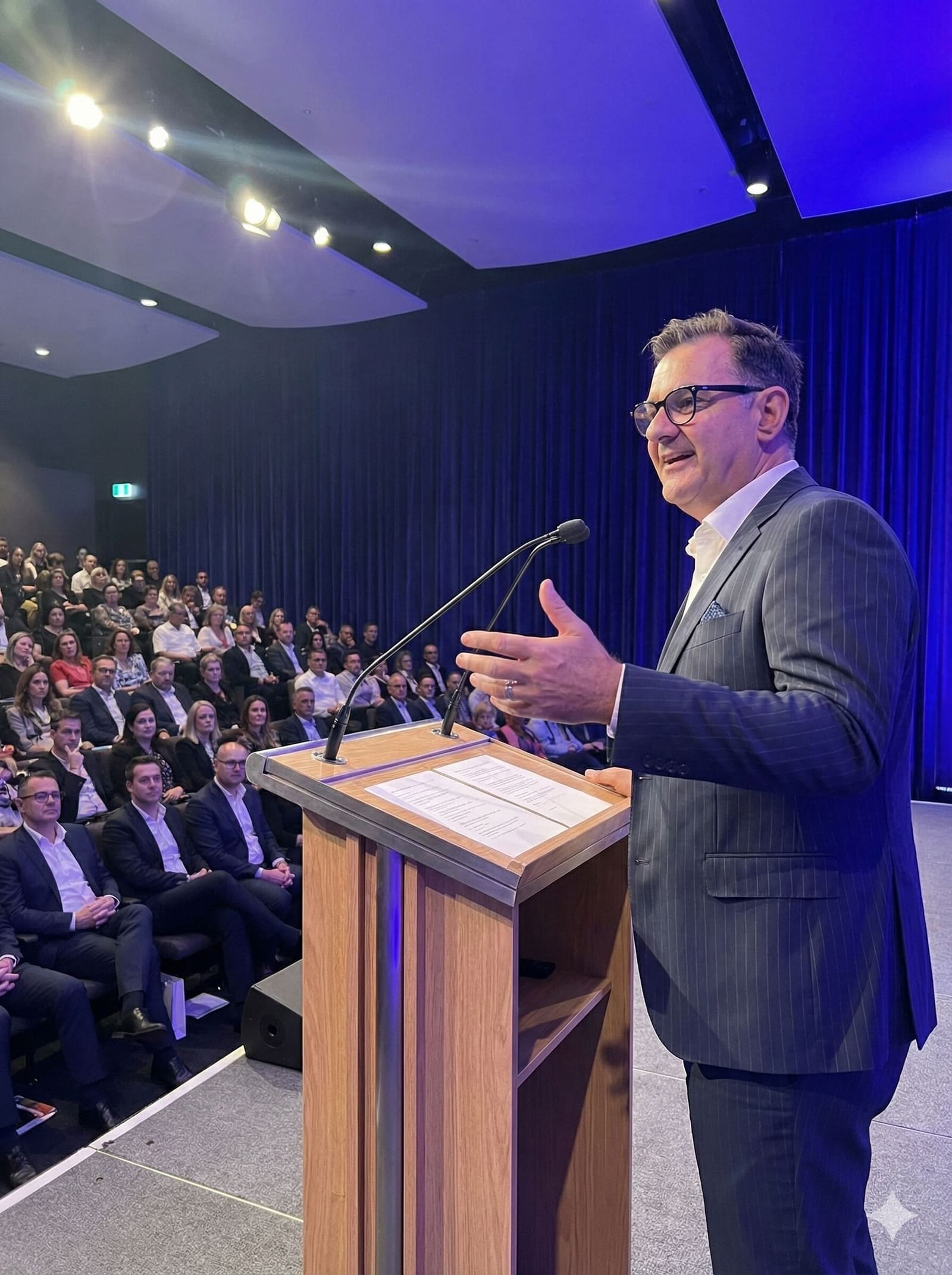
Property is bought once. It has to be held every day.
I examine the real economics of owning and holding property, including tax, finance, construction costs, policy and the decisions that determine what happens after purchase.
Property ownership diagnostic
How strong is your HOLD position?
A five-minute educational assessment for existing property owners.
A connected body of work
The economics of ownership, in practical terms.
Most property discussion is about buying, price growth and selling. The harder questions sit in the years in between.
New to the work
Begin with the ideas that connect it all.
What would you like to achieve?
Whatever stage you're at, the goal is the same. Keep the asset, keep the cash flow working, and avoid decisions made under pressure.
Build Wealth
Grow lasting property wealth across the full life of every asset you own.
ExploreImprove Cash Flow
Strengthen after-tax cash flow through accurate depreciation and cost strategy.
ExploreMake Better Decisions
See the consequences of your holding decisions before you make them.
ExploreProtect & Grow Assets
Reduce downside risk and avoid forced exits during periods of pressure.
ExploreCommercial Property
Optimise cost, tax and timing decisions on higher-stakes commercial assets.
ExploreGovernment & Industry
Independent analysis on housing, construction cost and built-environment policy.
ExploreIndustry Engagement
Engaging with policymakers, industry leaders, and professional advisors on construction costs, cash flow pressure, and long-term housing outcomes.
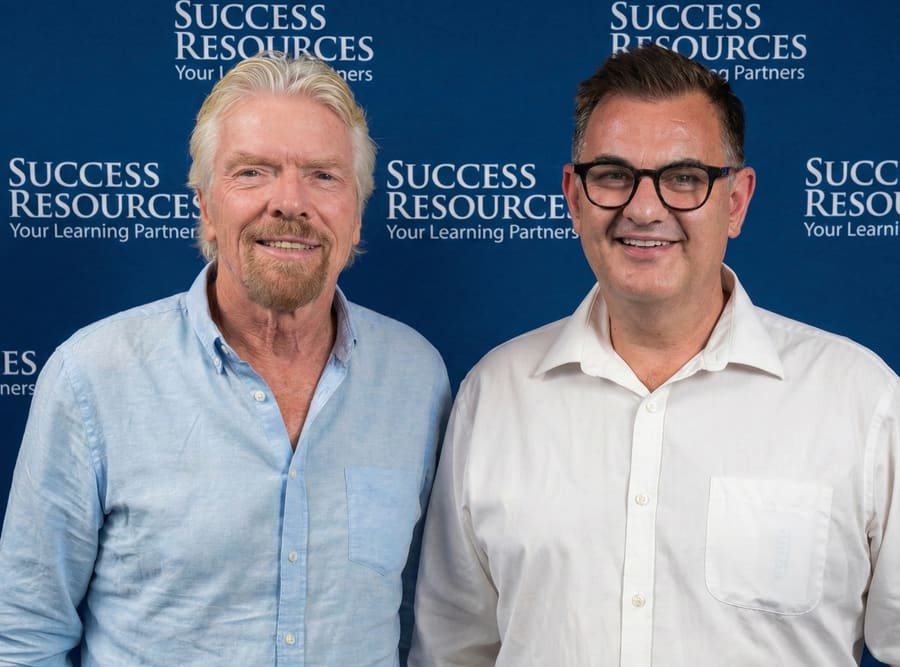
Sir Richard Branson
Founder of Virgin Group
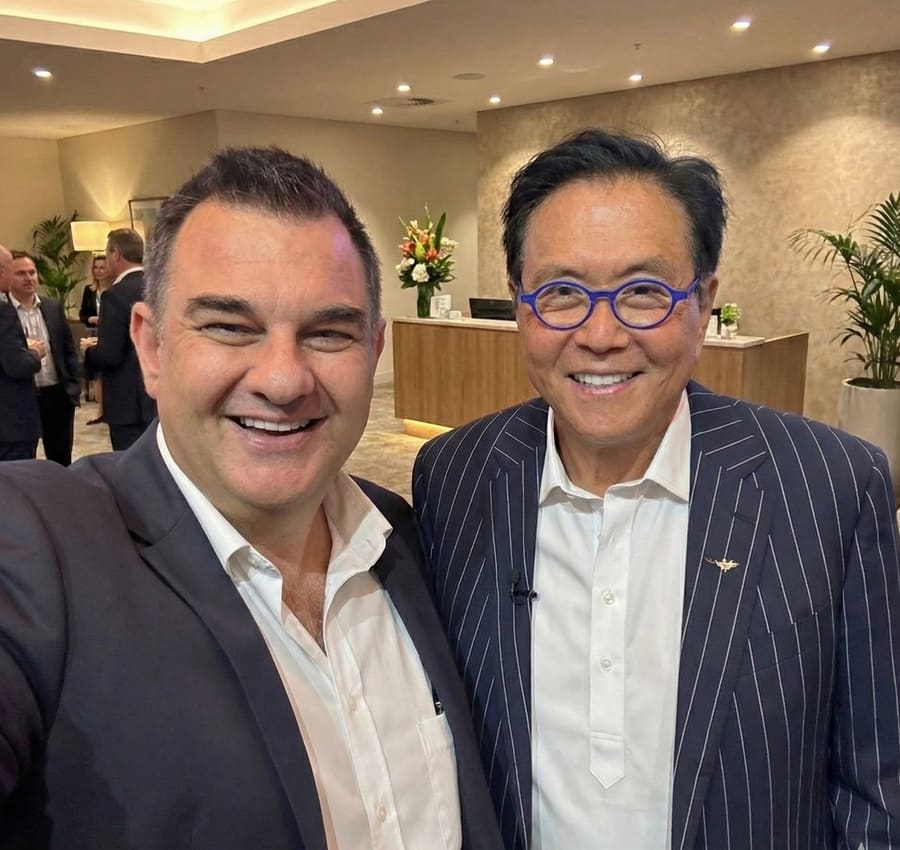
Robert Kiyosaki
Author of 'Rich Dad Poor Dad'
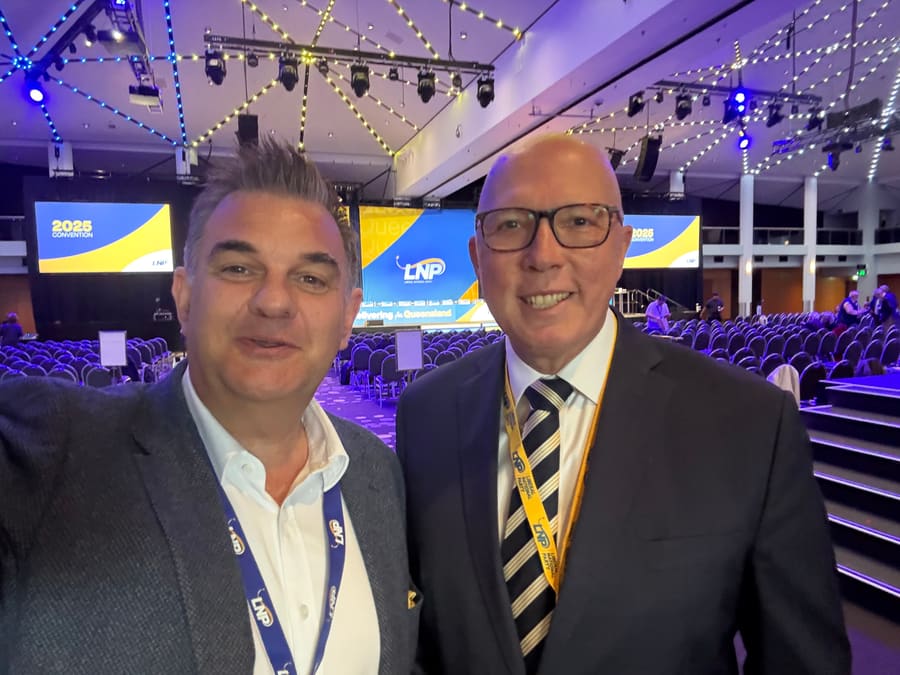
The Hon. Peter Dutton
Former Leader of the Opposition
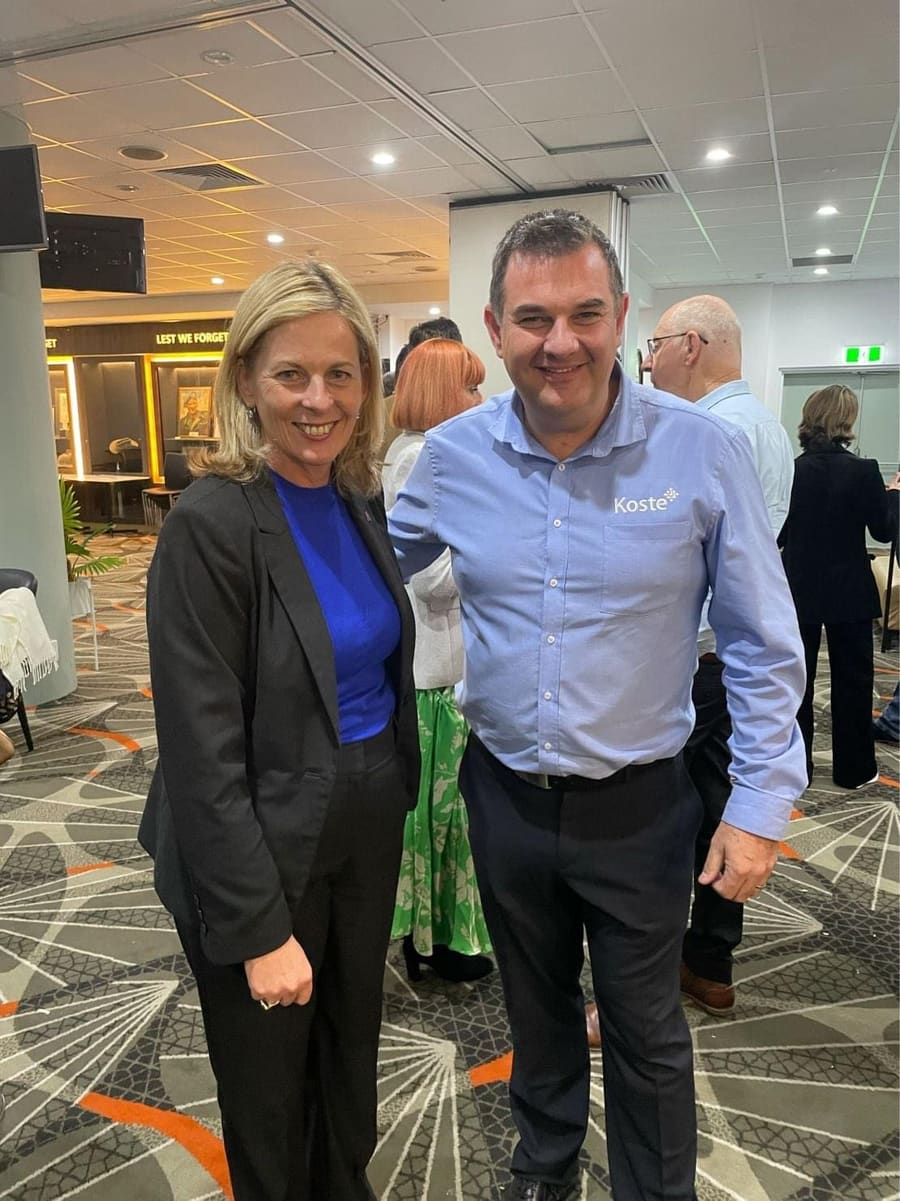
The Hon Angie Bell MP
Federal Member for Moncrieff
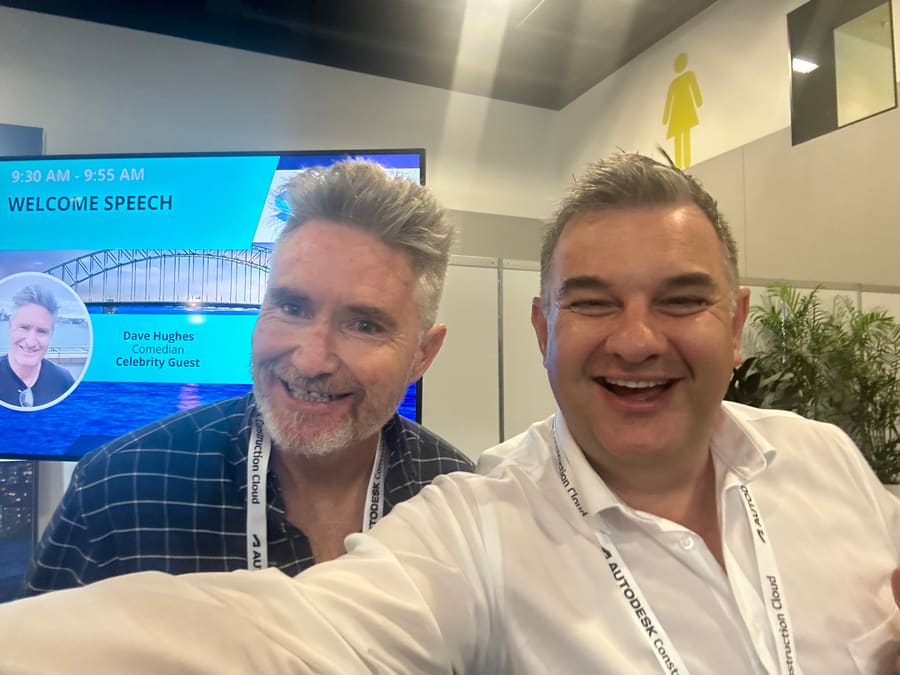
David Hughes
TV Host & Comedian
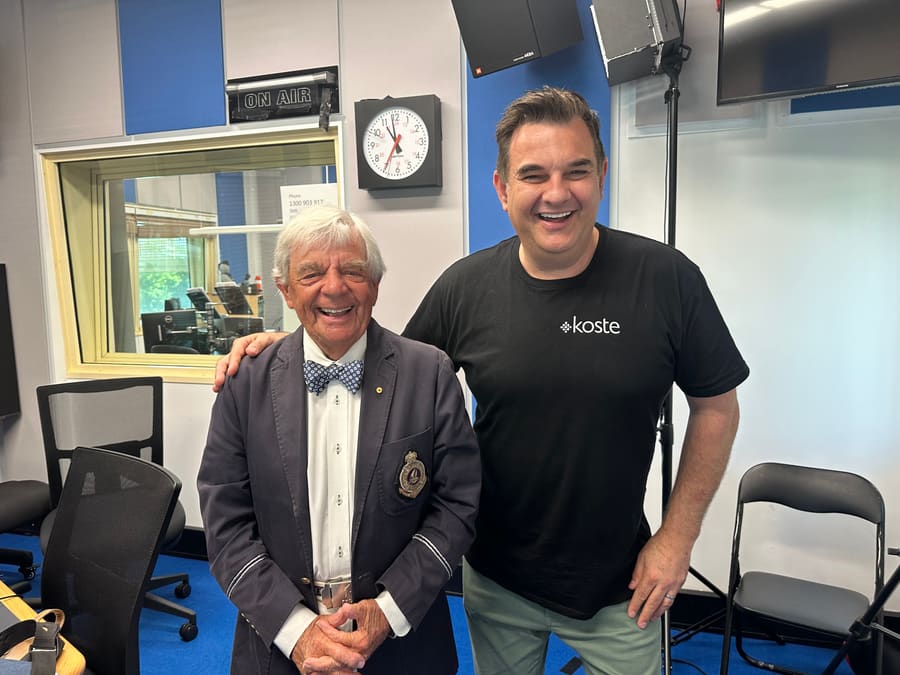
Desmond Brooks AM
World Renowned Leading Architect
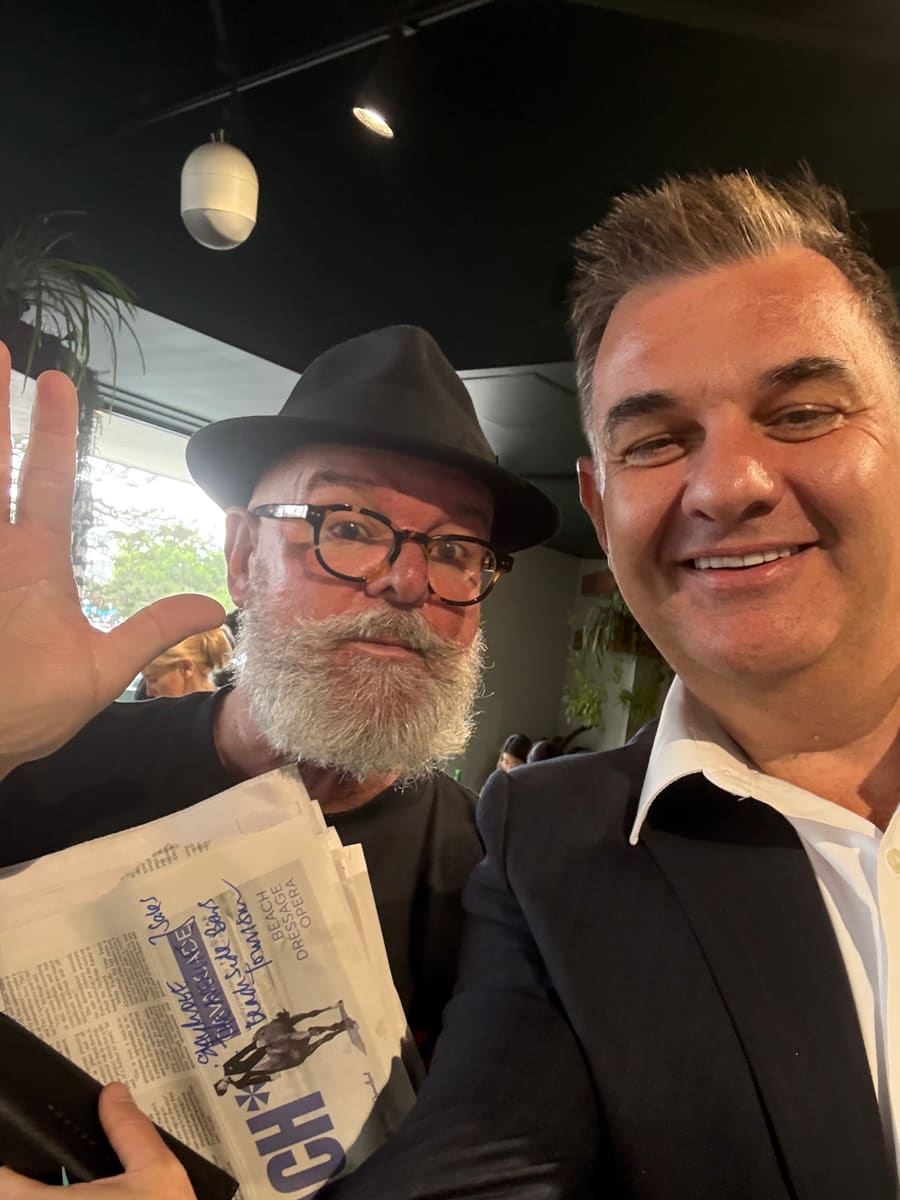
Michael Matusik
Property Commentator & Market Strategist
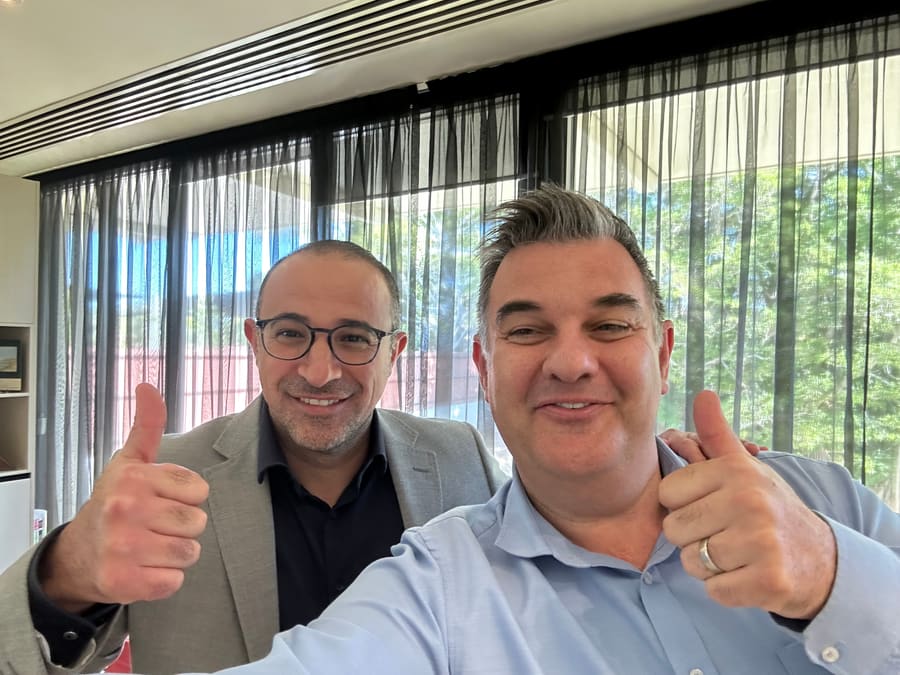
Ron Bakir
Founder of Homecorp Group
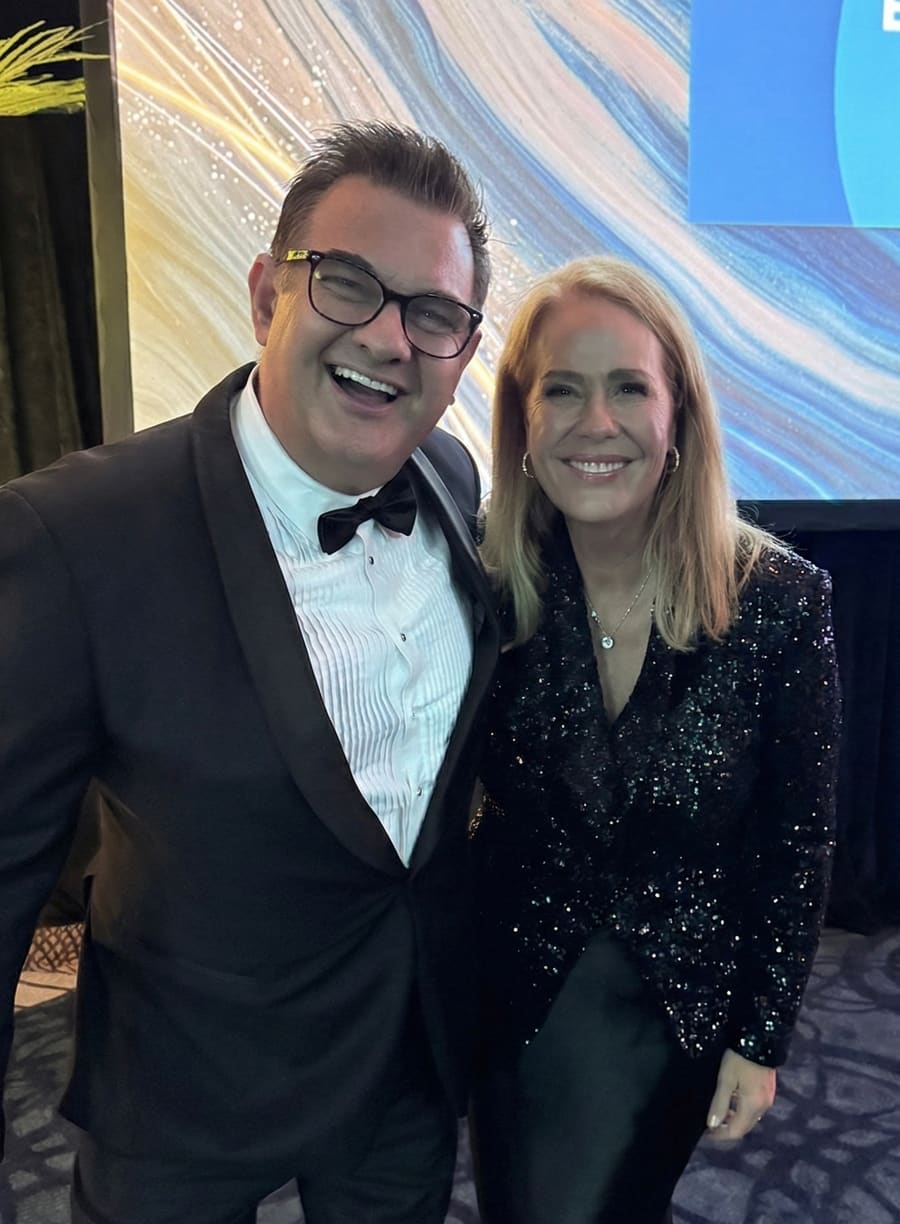
Rebecca Frizelle OAM
Board Member, Brisbane 2032 Olympic Games and Co-Owner Gold Coast Titans
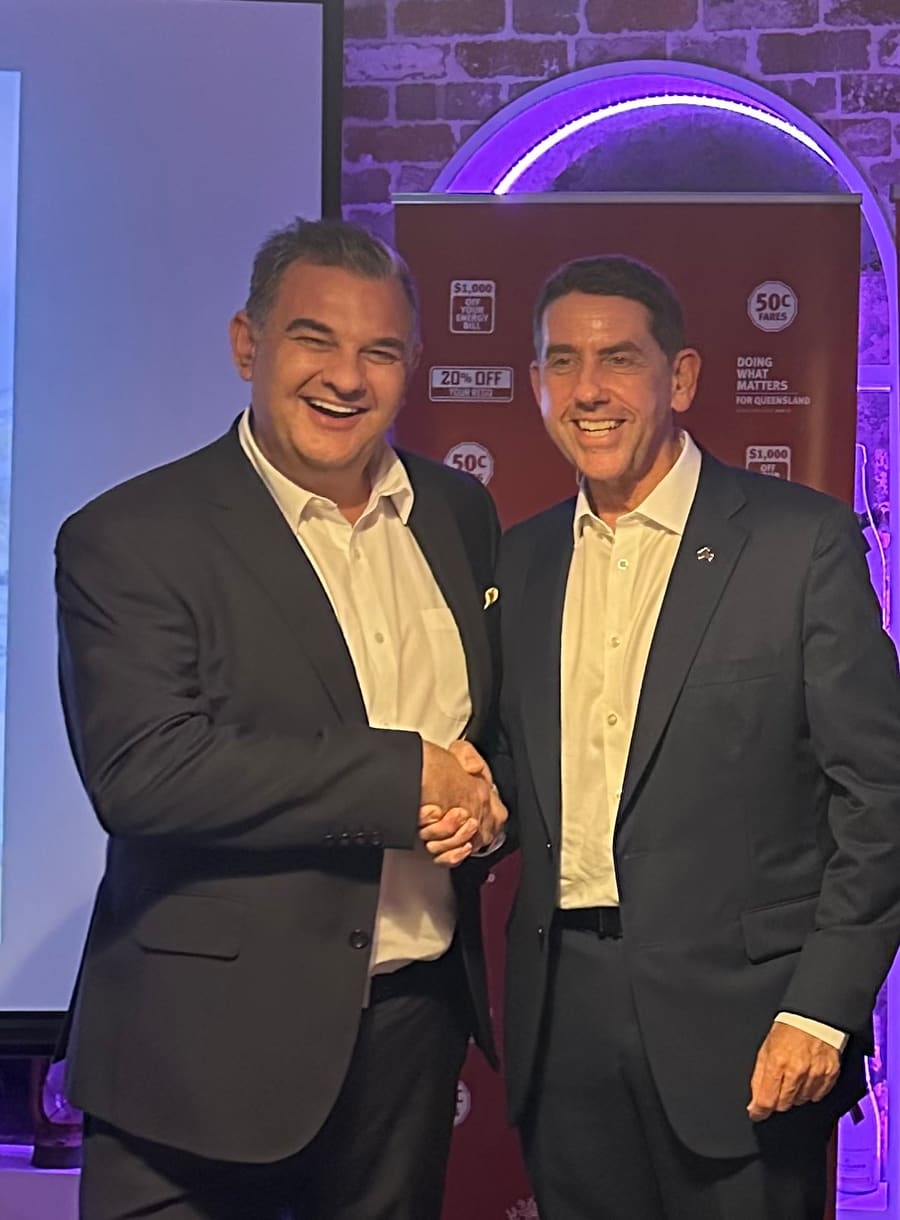
The Hon. Cameron Dick MP
Deputy Leader of the Opposition
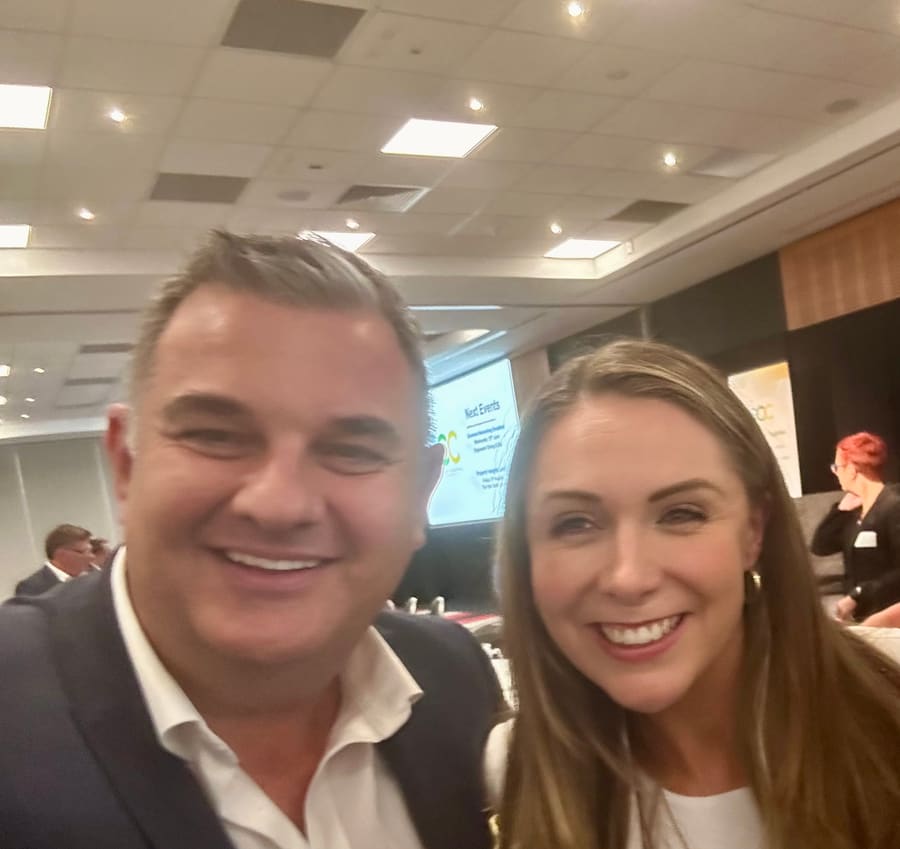
Ms Meaghan Scanlon MP
Shadow Minister for Housing

David Coulthard OBE
Former Formula One Racing Driver
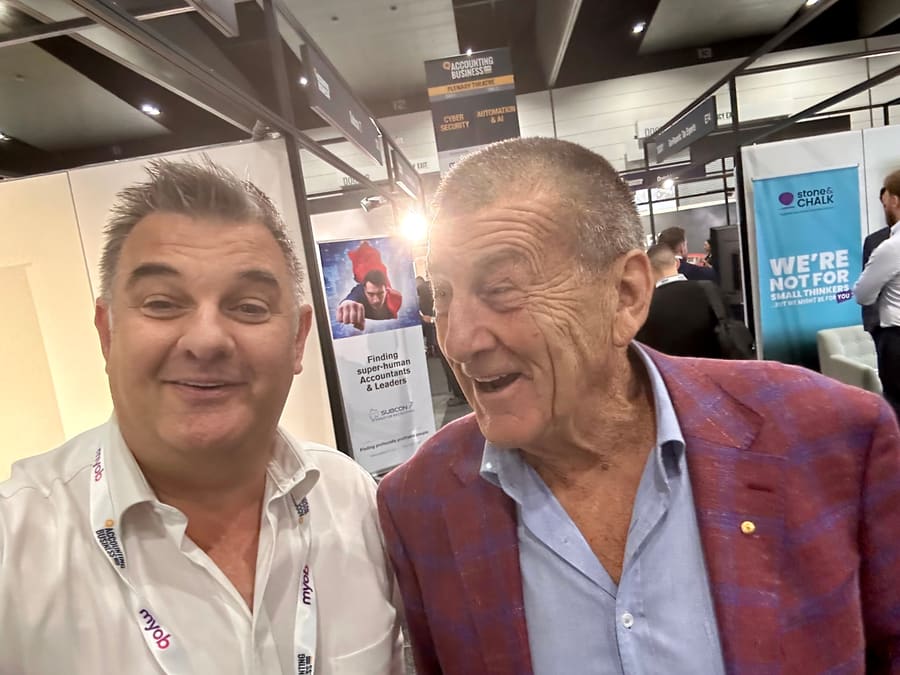
Site Visit
Asset Analysis
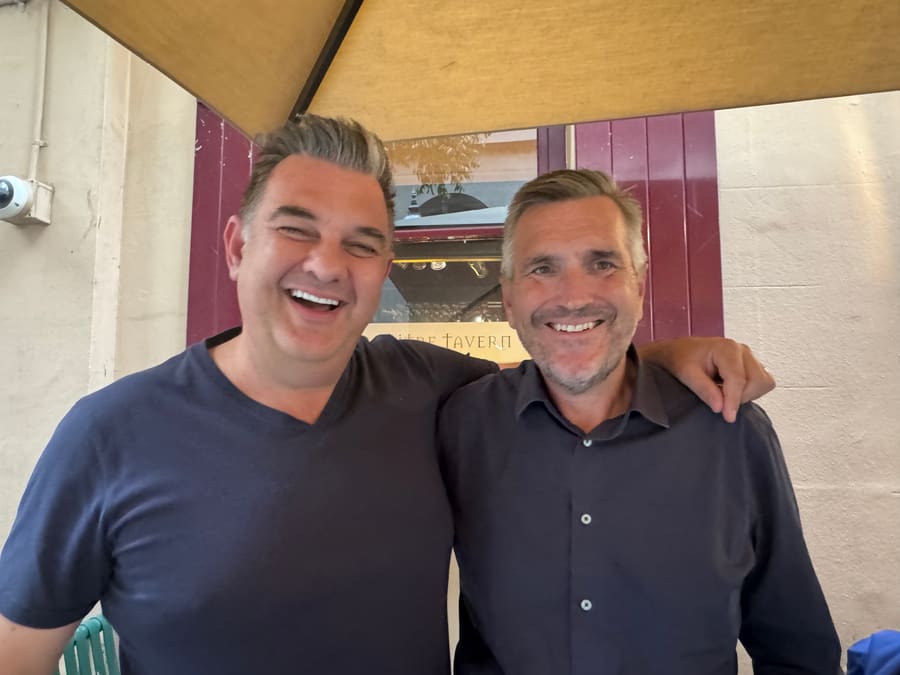
Gary Brinkworth
CEO of Herron Todd White
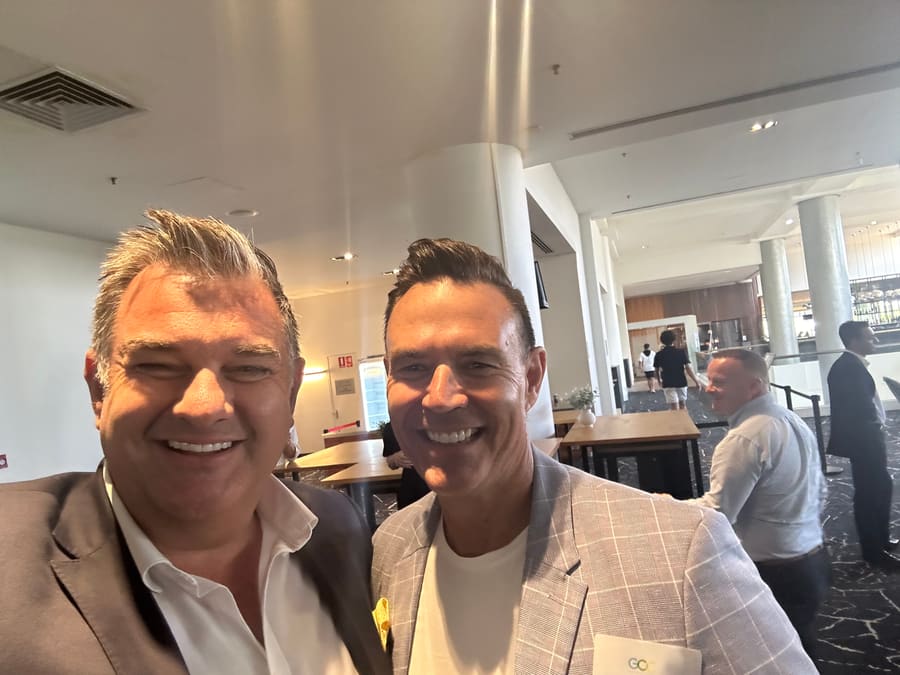
Cr. Darren Taylor
Gold Coast Chairperson of the Transport & Infrastructure Committee
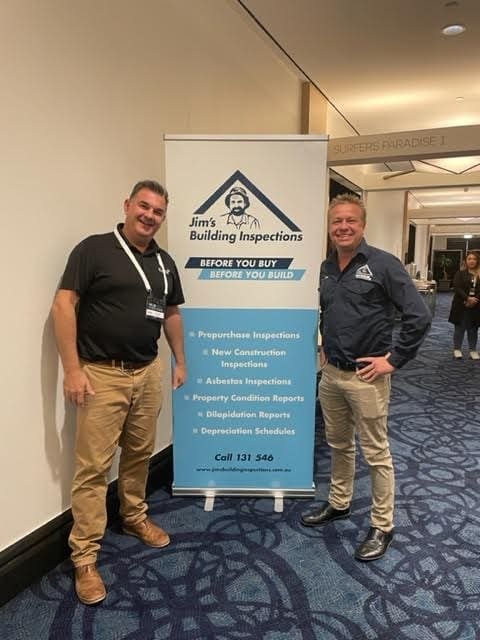
Sam Robertson
Managing Director of Jim's Building Inspections
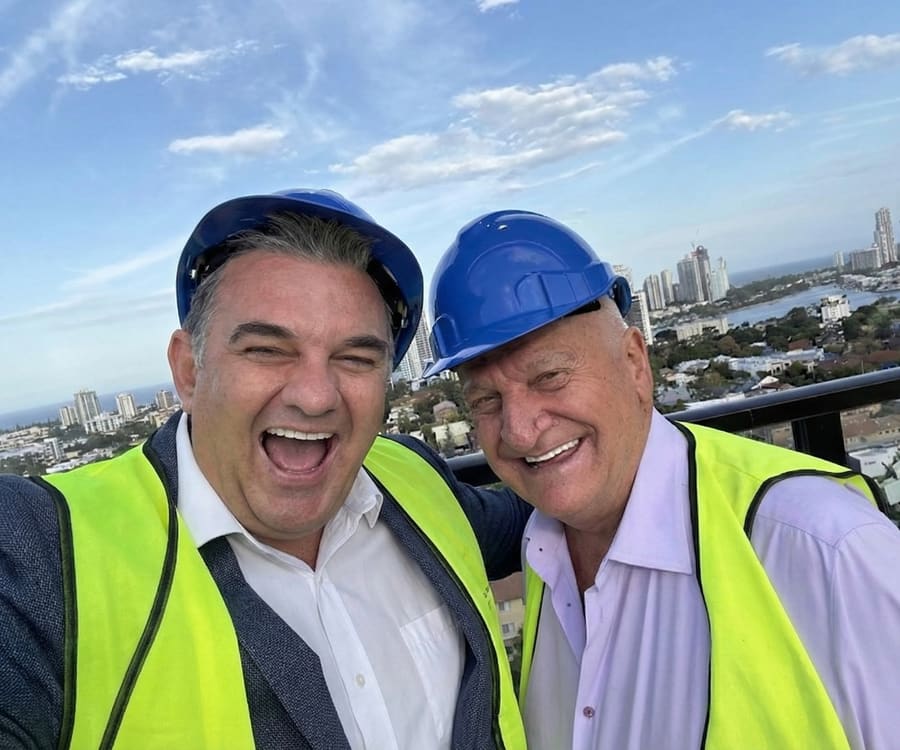
Robert Badalotti
Founder of Azzura
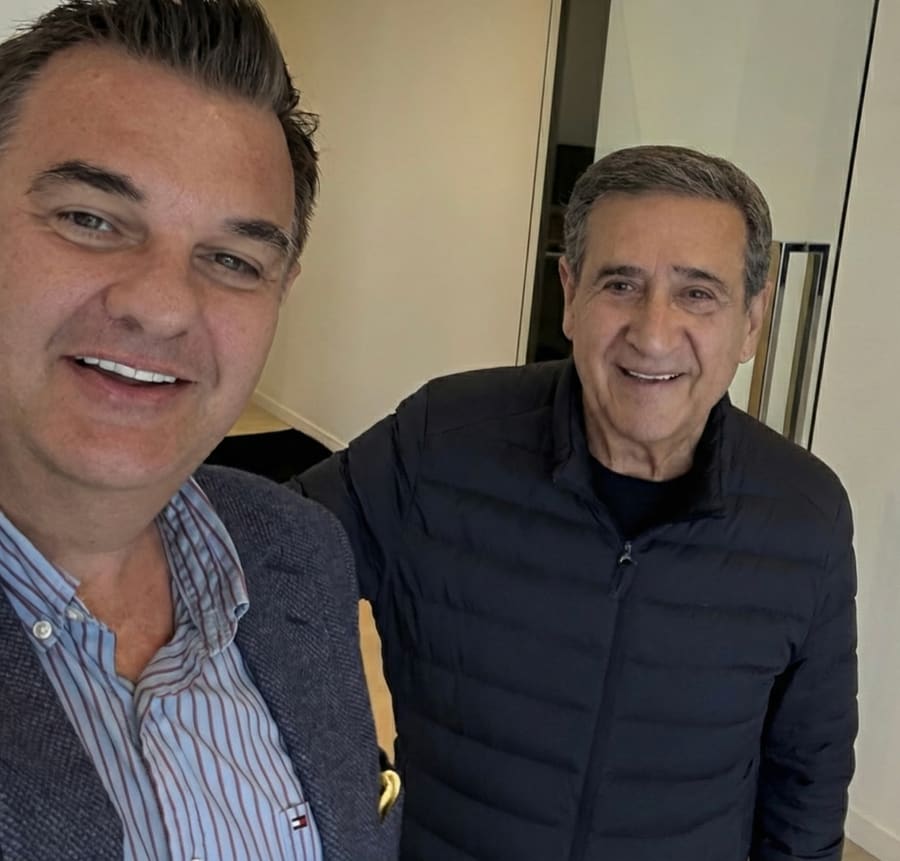
Dr Soheil Abedian AM
Founder of Sunland Group
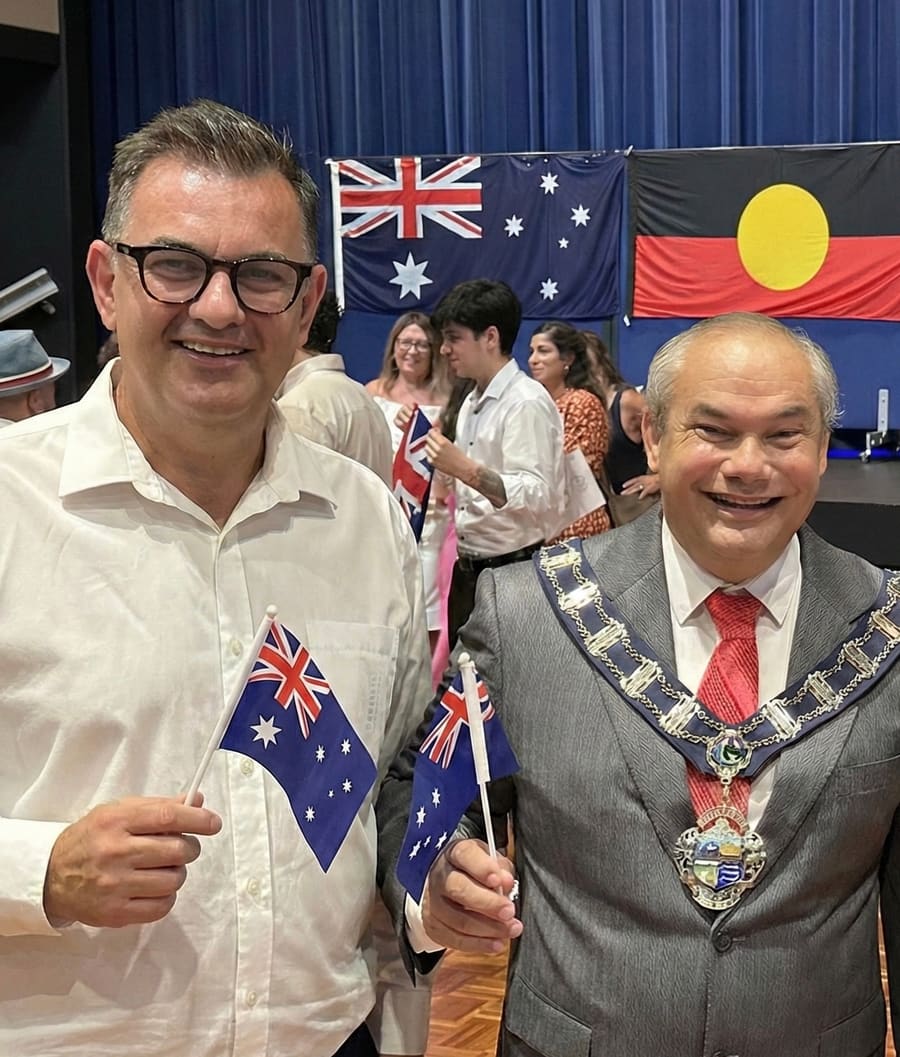
Mayor Tom Tate
Mayor of the City of Gold Coast
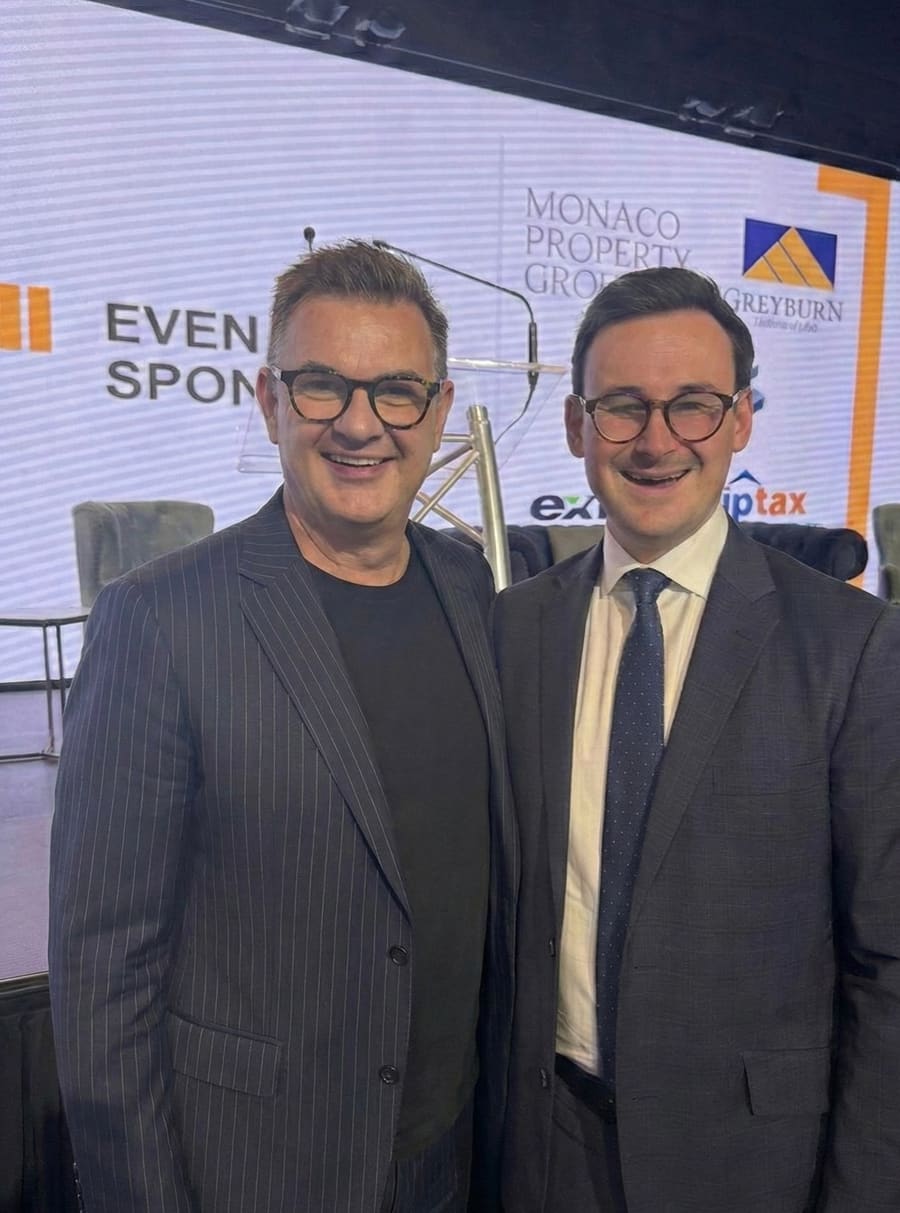
The Hon. Sam O'Connor MP
Minister for Housing and Public Works
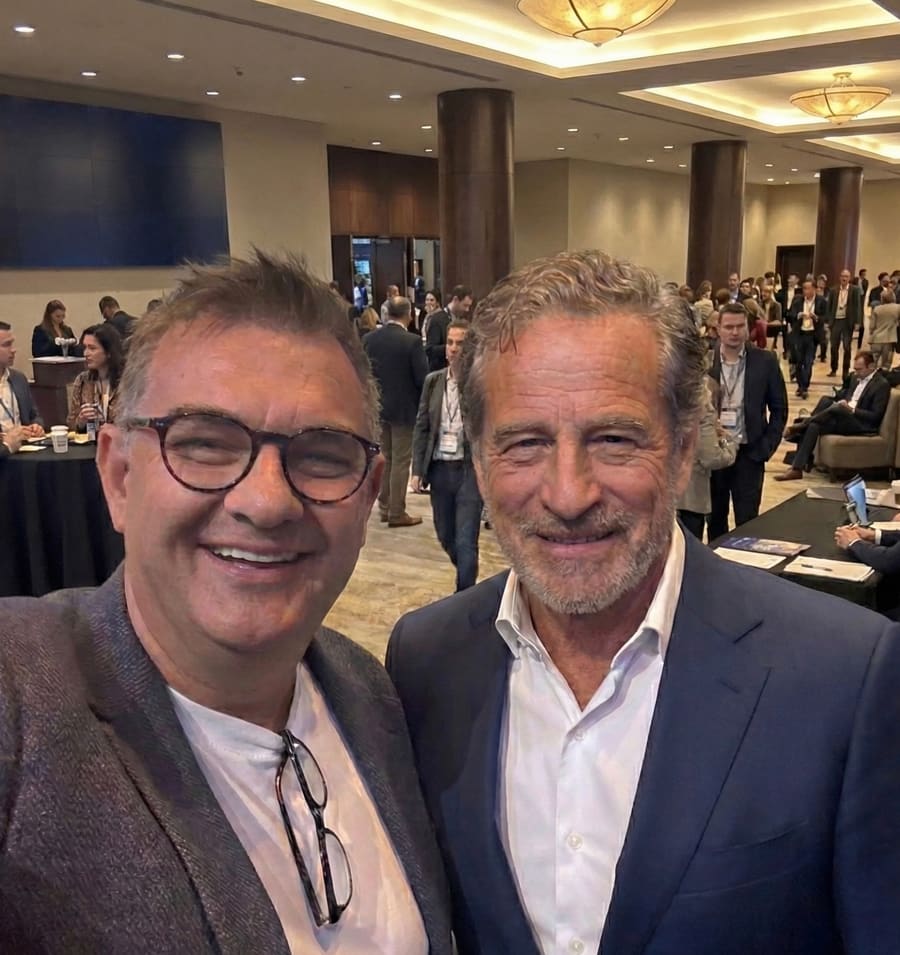
Mark Bouris AM
Chairman Yellow Brick Road
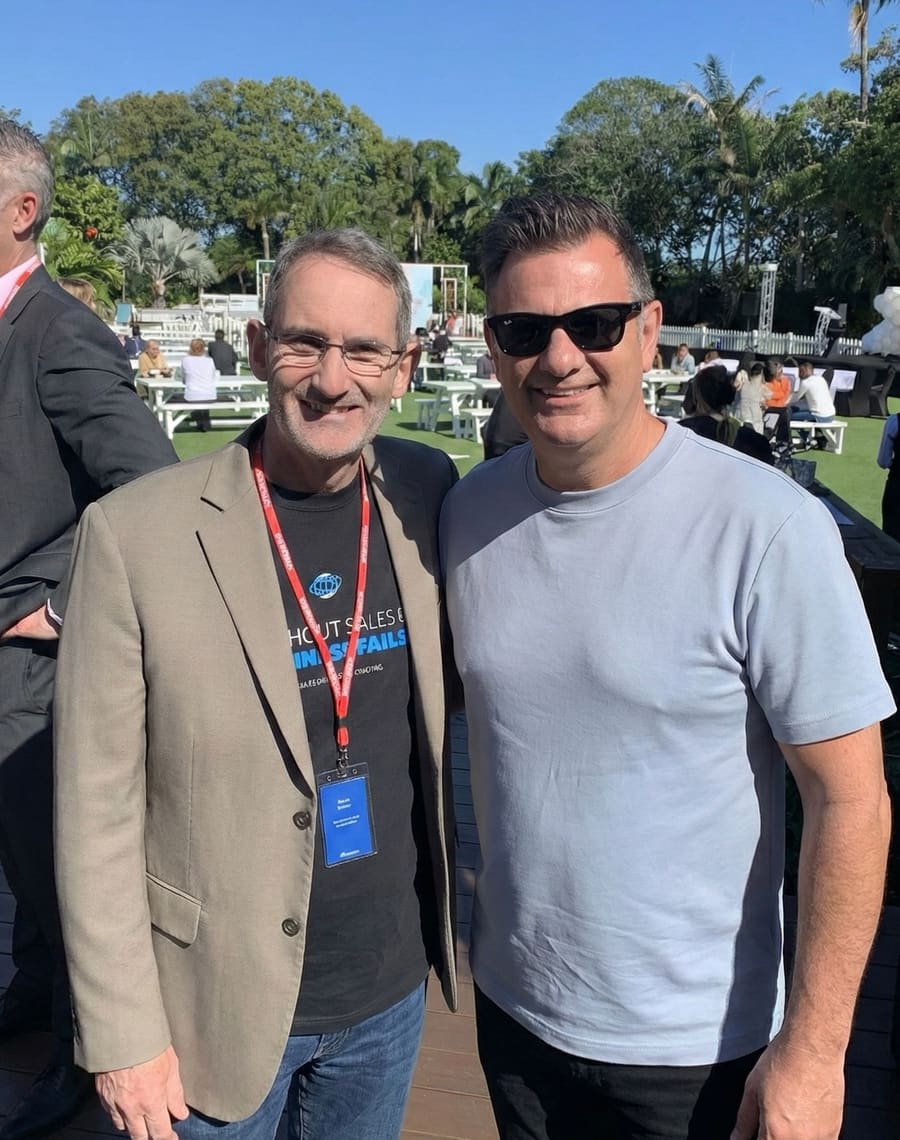
Steve Baxter
Investor and Shark Tank Australia Panellist
Where Property Outcomes Are Decided
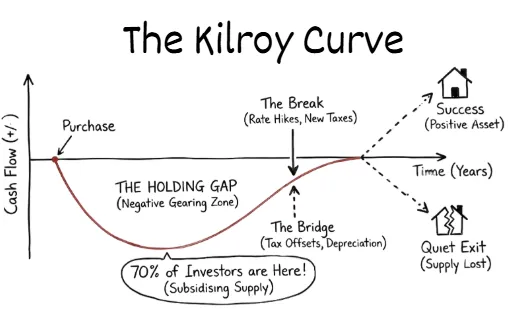
After purchase, most properties enter a period of cash flow pressure.
This difficult middle is the Holding Gap. It is where investors are tested and outcomes are quietly determined. They either stabilise and hold, or are forced to exit earlier than planned.
When exits occur, rental supply is lost. When assets are held, supply is preserved.
Housing outcomes are shaped here, not at purchase.
How Property Outcomes Are Managed During the Hold Phase
Most property strategies focus on buying well or selling at the right time.
Very few focus on what happens in between.
The Kilroy Curve shows the cash-flow pressure after purchase, the Holding Gap and the path towards recovery.
The HOLD Strategy defines what to do during that period.
The HOLD Strategy visual: four levers adjusted continuously during ownership
The HOLD Strategy breaks the ownership phase into four practical decisions that investors must actively manage during ownership.
These are not stages you complete once.
They are levers you adjust continuously as conditions change.
Long-term ownership through market cycles. Avoiding forced decisions during periods of pressure or volatility.
Improving cash flow, efficiency, and performance. Rent, costs, structure, and operational decisions all matter here.
Using equity carefully and at the right time. Growth should be deliberate, not emotional or reactive.
Protecting cash flow and reducing downside risk. Buffers, structures, and decisions made before problems appear.
Put HOLD into action.
Practical things you can check, question and improve today.
The Kilroy Brief
One practical briefing on the policy, tax, cost and cash-flow forces shaping Australian property ownership. For owners, investors and advisers who want the mechanics behind the headlines. Sent when there is something worth saying, not to fill a schedule.
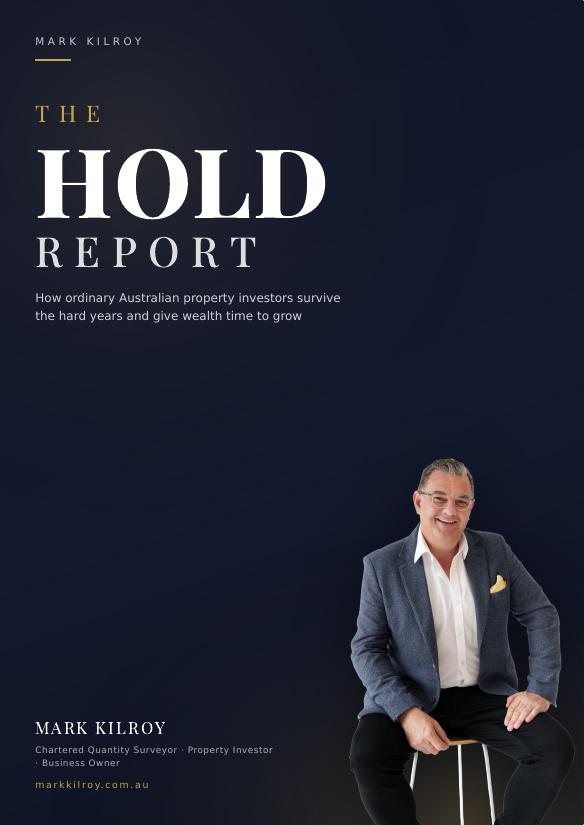
For investors and business owners who already own property, I offer a private HOLD Review.
This is a structured assessment of holding risk, cash flow pressure, and decision timing, designed to identify where assets are vulnerable during the holding phase and what matters next.
It is not acquisition advice.
It is not a sales conversation.
It exists to create clarity before pressure forces decisions.
The relationship
Ideas, advice and tools.
Mark Kilroy develops the ideas, commentary and frameworks around property ownership and holding.
Koste provides the technical quantity surveying, tax depreciation and property advisory capability.
Koste.ai develops tools, calculators and property intelligence that make those ideas easier to understand and apply.
Professional Affiliations
_1767483672779-B9s1GxMe.webp)
_1767483672782-C7k41zg8.webp)

_(12)_1767483672783-coJc41WS.webp)