Evidence-based presentations on property, cost and tax.
Mark Kilroy presents to conferences, investor groups, adviser networks and media on the mechanics that decide property outcomes: construction cost, tax depreciation, the holding phase and housing policy. Every presentation is grounded in data from sources such as the ATO, ABS, RBA and APRA.
View the latest decks.
Unlocking Modular Housing: Does Australia's Depreciation Framework Reflect Modern Construction?
A construction cost and tax depreciation perspective on whether the Division 40 and Division 43 framework has kept pace with modern modular construction.
View PresentationHow Mark presents.
Keynote Presentations
30 to 60 minute presentations for industry conferences, investor events and corporate audiences.
Panel Discussions
Technical depth on tax, construction cost and housing policy panels, one layer below the headlines.
Webinars & Briefings
Live online briefings for member bodies, adviser networks and investor groups, including post-Budget analysis.
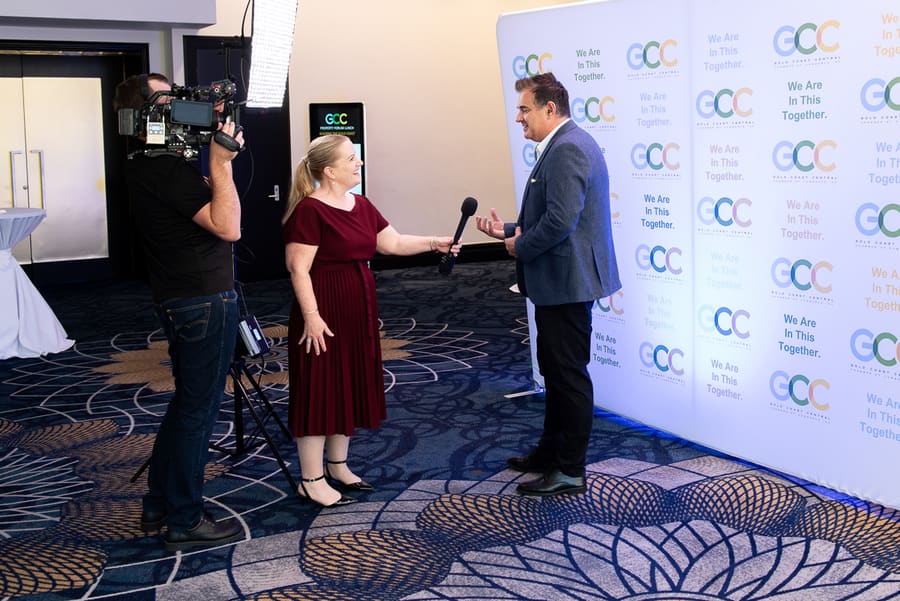
Podcast & Broadcast
Interview and commentary formats on property, depreciation policy and construction economics.
Presentation topics.
Each topic can be tailored to your audience, from investor fundamentals through to the technical detail accountants and advisers need.
The HOLD System
Why most property investors fail in the holding phase, and the structured framework that prevents it.
The Kilroy Curve
Why holding capacity matters, how the cash-flow Holding Gap tests investors, and what helps an owner reach recovery.
Tax Depreciation: The Maths the Headlines Miss
Division 40 vs Division 43, second-hand plant, and the CGT cost-base interactions that change after-tax outcomes.
Construction Insolvency and Brisbane 2032
Why the construction workforce shortage is the binding constraint on every housing target.
Federal Budget Commentary for Property Investors
Live and post-event analysis of negative gearing, CGT, depreciation and housing measures.
Who Really Owns Property: Investor or Government?
How tax settings, land tax and policy creep have shifted the economic ownership question.