The Biggest Cost of a Building May Come After Construction
Mark Kilroy argues construction cost is only the first cheque. Most of an asset's long-term cost is locked in by design decisions made before completion: a $20 million construction saving can create $60 million in operating, maintenance and replacement costs over 30 years. He makes the case for asset registers built from day one, life cycle planning treated as financial planning, a broader definition of project success based on total cost of ownership, and a quantity surveying profession whose role does not stop at handover — increasingly powered by AI feeding real asset performance back into the next project.

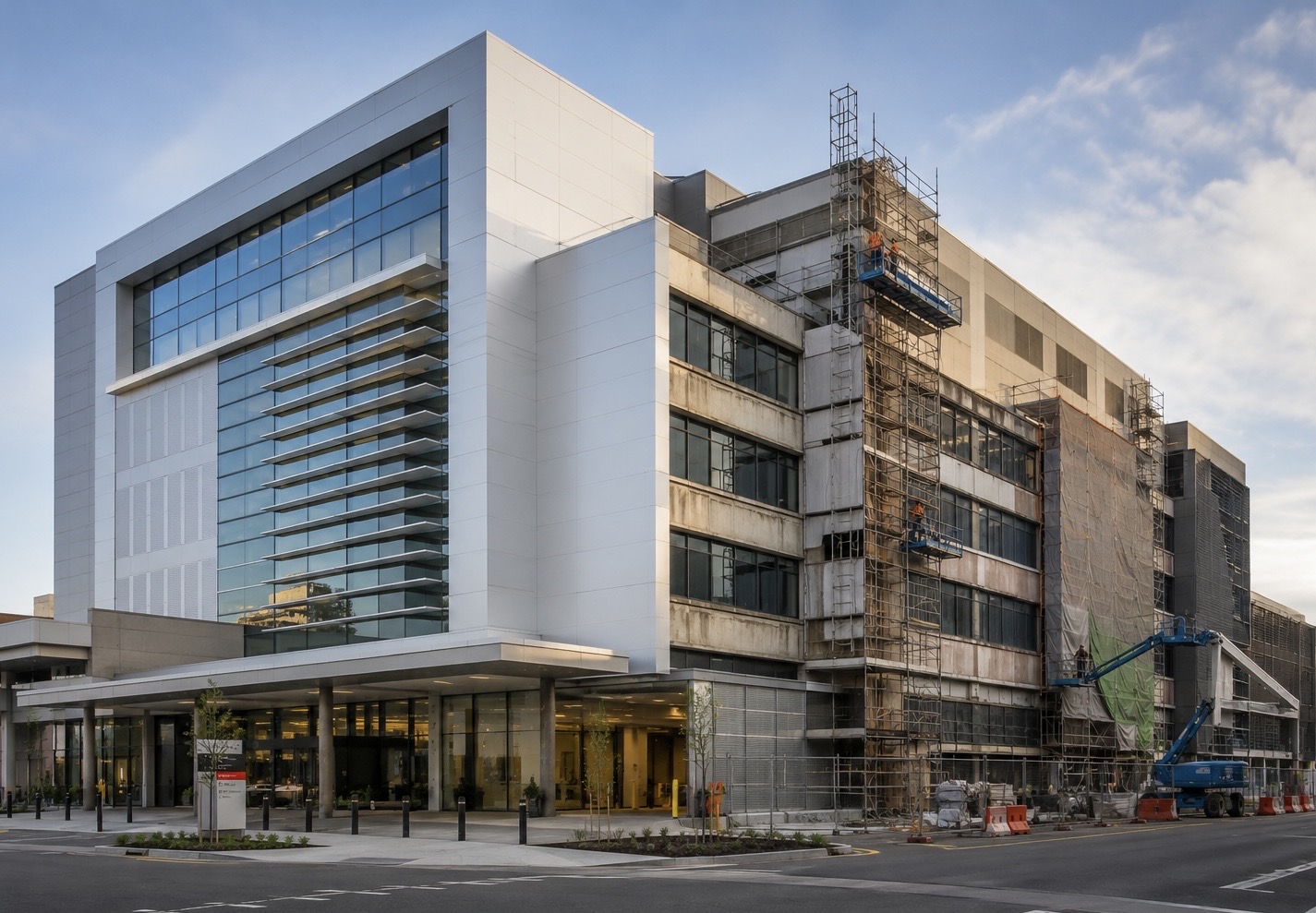
We spend a lot of time talking about construction cost blowouts. A hospital is announced at one price, and a few years later it costs hundreds of millions more. The same happens with roads, rail, schools and other major infrastructure. The immediate question is always: why did it go over budget?
That is a fair question. But I think we are still looking at only part of the problem, because construction cost is only the first cheque.
The bigger question is: what does the asset cost to own for the next 30, 40 or 50 years?
My View Has Changed Over Time
I started my career much closer to traditional project quantity surveying. Cost planning, measurement, tendering, construction cost management.
Today, much of my work is at the other end of the asset lifecycle. I deal with assets: depreciation, replacement costs, capital expenditure, life cycle planning. What happens to buildings long after the construction team has packed up and gone home.
That has changed the way I look at project cost. A building does not stop costing money when it is completed. In many cases, that is when the long-term cost really starts.
A Cheap Building Can Become an Expensive Asset
Imagine two options. Option A saves $20 million during construction. That looks like a win. But the equipment has a shorter life. The facade requires more maintenance. The finishes need replacing sooner. The mechanical systems are less efficient. Access for maintenance is poor.
Over the next 30 years, that cheaper solution costs another $60 million to operate, maintain and replace. Was it really cheaper?
This is where I think we need to stop looking at construction cost in isolation. The lowest capital cost is not always the best value. The right question is: what is the total cost of owning this asset?
The Decisions Are Made Early
This is what matters. Most of the long-term cost of an asset is influenced by decisions made before the building is even finished.
- What materials are selected?
- What equipment is installed?
- How accessible are the services?
- How often will major components need replacing, and what does replacement actually involve?
- Will parts of the building need to be shut down?
- Can assets be replaced independently, or does half the building need to be pulled apart to get to them?
These decisions can create costs that sit with the owner for decades. The project team may move on. The owner does not.
We Still Separate Construction From Operations
This is one of the biggest weaknesses in the way we think about buildings. The project team designs and delivers the asset. Then the operational team inherits it. Different people, different budgets, different systems, and often completely different objectives.
The people maintaining a building 10 years later may have had very little influence over the decisions made when it was designed. Yet they are the ones dealing with the consequences.
A decision made during design might save $5 million in construction but create $15 million in additional replacement and maintenance costs later. That is not value engineering. That is simply moving the cost.
The Asset Register Should Start on Day One
This is where I think asset management needs to become part of the project much earlier. An asset register should not be created years after the building is completed. It should be built alongside the asset itself.
From day one, the owner should know:
- what assets have been installed
- what they cost and where they are
- their expected useful life
- their likely replacement cost
- their maintenance requirements
- when future capital expenditure is likely to occur
That information should then feed directly into life cycle planning. Because life cycle planning is not just maintenance planning. It is financial planning.
If an owner knows a major mechanical system will likely require replacement in year 15, that should not come as a surprise in year 14. It should already be in the long-term capital plan.
This Is Where Quantity Surveyors Can Add More Value
Quantity surveyors understand cost. But I think our profession can play a much bigger role across the full asset lifecycle. Not just what a building costs to construct, but what the asset costs to own.
That means looking at capital cost, maintenance, replacement, refurbishment, remaining useful life, future capital expenditure and eventual disposal. It also means challenging early design decisions based on what happens later.
If a more expensive system will last twice as long and materially reduce maintenance, that may be the better decision. If an architectural feature costs more to build, more to maintain and delivers little operational value, someone should challenge it. That is where cost management becomes much more meaningful.
The Biggest Savings May Happen After Handover
This is the area I think is under-discussed. A lot of attention goes into saving 2 or 3 per cent during construction. That matters. But on a major asset, the long-term operational, maintenance and replacement costs can dwarf many of the savings achieved during tender.
We need to stop treating handover as the end of the financial conversation. It is really the start of the next one.
A properly managed asset should have a clear plan for maintenance, replacement, refurbishment, capital expenditure, tax treatment and long-term value. That is where asset advisory becomes critical.
We Should Be Learning From Existing Buildings
Australia has already built thousands of hospitals, schools, offices, shopping centres, hotels and commercial buildings. We should know what actually happened to them.
Which systems performed well? Which failed early? Which finishes needed constant replacement? Which assets cost far more to maintain than expected? Which design decisions saved money? Which supposedly cheaper solutions ended up costing more?
That information should be feeding directly into the next generation of projects. Instead, too much knowledge remains trapped inside individual buildings, consultants, spreadsheets and maintenance teams. We keep designing the next project without fully learning from the last one. That needs to change.
AI Could Close the Loop
This is where AI becomes genuinely interesting. Not because it can simply measure a drawing faster. The bigger opportunity is connecting real asset performance back into future project decisions.
Imagine designing a new hospital. The project team could interrogate actual data from previous hospitals. Which air-conditioning systems lasted longest? Which facade systems required the most maintenance? Which floor finishes failed early? Which equipment created unexpected replacement costs? Which design decisions reduced energy and maintenance expenditure? Which assets routinely lasted longer than their assumed useful life?
AI could help identify those patterns quickly. The quantity surveyor then has something much more powerful than an estimate. We have evidence.
That creates a proper feedback loop: design, build, operate, maintain, replace, learn. Then use that information to design the next project better.
Early Cost Blowouts Still Matter
None of this means construction overruns are acceptable. They are not. We still need to ask why so many projects exceed their original budgets.
Was the initial budget realistic? Was scope properly defined? Was escalation allowed for? Was the programme achievable? Was the design too complex? Was risk properly understood? Was the project announced before enough information existed?
These are questions quantity surveyors should be asking early. Sometimes the most valuable advice a QS can give is: you cannot build what you are asking for with the budget you have. That conversation is much better before construction starts than three years later when the project is called a blowout.
Good Design Still Matters
This is not an argument for cheap buildings. A hospital needs to function properly. A school needs to work. A commercial building needs to attract and retain occupants. A building should be safe, durable and fit for purpose.
But every major design decision should still face the same test: what value does this add over the life of the asset?
If spending another $20 million today saves $50 million over the next 30 years, that may be a very good decision. If spending another $20 million adds little function and creates higher maintenance costs, that should be challenged. That is where I believe quantity surveyors need to become even more influential.
Maybe We Are Measuring the Wrong Success
We celebrate a project delivered under budget. But under which budget? And what happens after handover?
Maybe we need a broader measure of success. Not just construction cost, but capital cost, operating cost, maintenance cost, replacement cost, asset life, residual value. Total cost of ownership.
That gives investors, businesses and taxpayers a much better understanding of whether they actually received value.
The Role of the QS Should Not Stop at Handover
The decisions made before construction can keep costing an owner long after everyone involved in the original project has moved on. That is why I think the future of quantity surveying is bigger than becoming faster at estimating construction costs.
We should be connecting the start of the asset lifecycle with the end. Using better asset registers, better life cycle planning, better replacement cost data, better capital expenditure forecasting, better technology. And increasingly, AI.
Because the biggest cost mistake on a project may not appear in the final account. It may keep appearing for the next 30 years.
“Property is bought once. It has to be held every day.”
Frequently Asked Questions
What does 'total cost of ownership' mean for a building?
Everything the asset costs across its life, not just construction: capital cost, operating cost, maintenance, component replacement, refurbishment, tax treatment, asset life and residual value. On major assets, the post-handover costs can dwarf the savings achieved during tender.
Why do design decisions matter so much for long-term cost?
Because most of an asset's long-term cost is influenced before the building is finished: the materials selected, the equipment installed, how accessible services are, and whether components can be replaced independently or require pulling half the building apart. Those decisions sit with the owner for decades after the project team moves on.
When should an asset register be created?
From day one, built alongside the asset itself rather than years after completion. The owner should know what has been installed, what it cost, where it is, its expected useful life, likely replacement cost and maintenance requirements, so future capital expenditure is planned rather than a surprise.
How could AI change quantity surveying?
The bigger opportunity is not measuring drawings faster but closing the feedback loop: interrogating real performance data from existing buildings, such as which systems lasted, which failed early and which design decisions reduced maintenance, so the next project is designed on evidence rather than assumption.
Does focusing on ownership cost excuse construction blowouts?
No. Overruns still matter, and quantity surveyors should ask early whether the budget is realistic, the scope defined, escalation allowed for and the risk understood. Sometimes the most valuable advice is that you cannot build what is being asked for with the budget available, before construction starts.
Explore further
Related commentary
Frameworks & tools
Republishing
You're welcome to republish this article in full or in part, provided it includes clear attribution to Mark Kilroy and a link back to the original at markkilroy.com.au.
For media enquiries, syndication requests, or to discuss republishing in print or digital publications, please get in touch.
The Kilroy Brief
One practical briefing on the policy, tax, cost and cash-flow forces shaping Australian property ownership. For owners, investors and advisers who want the mechanics behind the headlines. Sent when there is something worth saying, not to fill a schedule.